


Artur Makaryan: why he closed 20 sites and built Eatoria
“I don’t believe in accidental success. I believe in daily work, perseverance, and a sincere approach to one’s craft,” said Artur Makaryan, founder of Eatoria, in an exclusive interview with HoReCa Magazine Armenia.
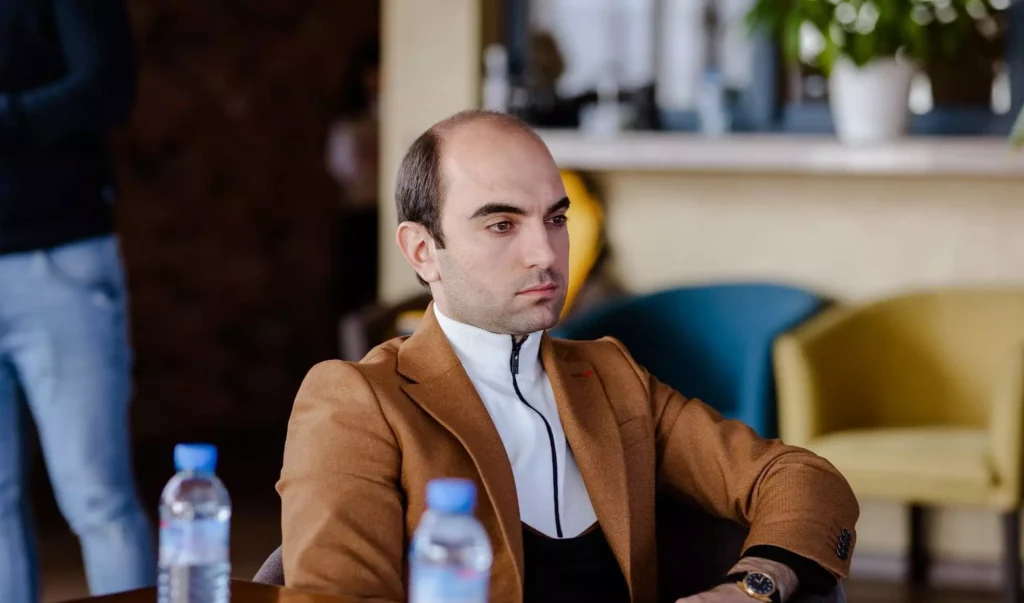
— Mr. Makaryan, tell us a little about yourself. How did your path to success unfold?
— By education, I am a lawyer. But I have always been interested in creating something new—especially in the field of service and dining. While still studying at university, I began working as a chef on night shifts. At that time, I could not have imagined how deeply I would immerse myself in this field in the future.
Artur Makaryan: About eight years ago, I launched a sushi delivery service under the brand Ako Sushi. At that time, this was an entirely new direction for the Armenian market—especially in the delivery format. We began collaborating with hotels, clubs, and restaurants that did not have Japanese cuisine. This became my first serious step into the restaurant industry.
Later, the idea arose to develop a delicatessen format within closed establishments. I participated in tenders—and won. The project quickly scaled: new locations opened one after another. However, over time I realized that this was not my path. Combining high quality with low prices in the catering environment proved extremely difficult. It was a constant compromise that went against my values. In the end, I made a difficult but fundamentally important decision—to close 20 operating locations.
Nevertheless, the idea of creating a modern delicatessen network did not leave me. I still believed that it was possible to implement a format in which quality would be an unconditional priority, and the guest would be at the center of attention. This is how the concept of Eatoria was born. Artur Makaryan.
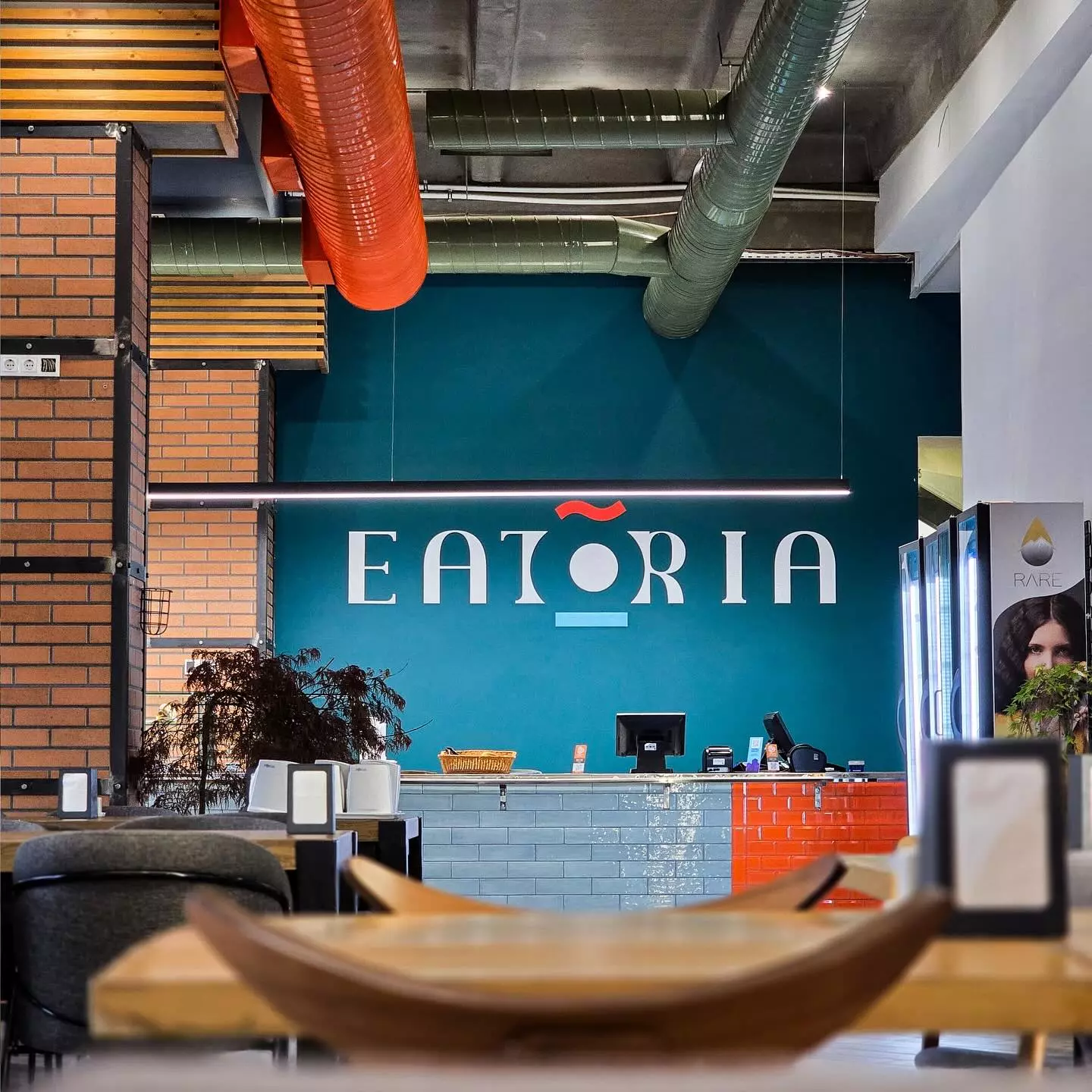
— How did the idea of Eatoria come about? What inspired you to launch specifically a culinary format?
As I have already mentioned, I have always wanted to create a place where people would feel comfortable—where they could try high-quality dishes of seafood, meat, and other fresh ingredients that are usually ordered only in restaurants. But at the same time—at an affordable price. This is where I saw the main purpose of Eatoria. Artur Makaryan
Artur Makaryan: Our delicatessen is not a cafeteria in the usual sense. We strive to provide people with a restaurant-level taste, service, and atmosphere, while maintaining democratic prices. All dishes are prepared from fresh ingredients: we do not use semi-finished products or frozen pre-preparations. The entire cooking process takes place right in the kitchen—from the first steps to serving. Even the bread we bake ourselves, every day.
I wanted guests, upon entering Eatoria, to feel as if they were in a restaurant—but to be able to enjoy such quality every day. All our chefs are professionals with experience in the restaurant industry. We open locations in business centers—places where the combination of fast service and high standards is especially important.
I value the reputation of Eatoria and the quality we offer our guests every day. This is precisely the essence of the concept and my personal motivation. Artur Makaryan

— How does Eatoria differ from other gastronomic projects on the market?
— That’s an excellent question, Svetlana.
Before launching Eatoria, I thoroughly studied the market and realized that our city lacked a simple, accessible, and at the same time tasty format for everyday lunches. I wanted to create a place where people would feel comfortable, where they could enjoy high-quality food—and not overpay.
Artur Makaryan: I developed a concept that combines taste, accessibility, and atmosphere. From the very beginning, pricing policy and the feeling of joy from visiting played an important role—so that a guest could have a meal as delicious as in a restaurant, but in a more democratic format.
Our first location opened in Pizza Grande, and on the very day of the opening, a huge queue formed. People simply could not believe that they could try seafood and other restaurant-level dishes—at such a price. Artur Makaryan
We also introduced special days—Pasta Day and Sushi Day—when our chefs cook right in the dining area, in front of the guests. This creates a special atmosphere, engages the guests, sparks interest, and encourages lively conversation. And, of course, every time we hear the same question: “How is it possible to cook so deliciously—and for this price?”
But for us, everything is simple: quality is our absolute priority. We are not a cafeteria and do not position ourselves as fast food. We have a team of professionals: every employee has undergone training, has restaurant experience, and puts their heart into their work. We believe that through food it is possible to convey not only taste, but also energy, warmth, and genuine care. This is precisely what we strive to give our guests every day. Artur Makaryan
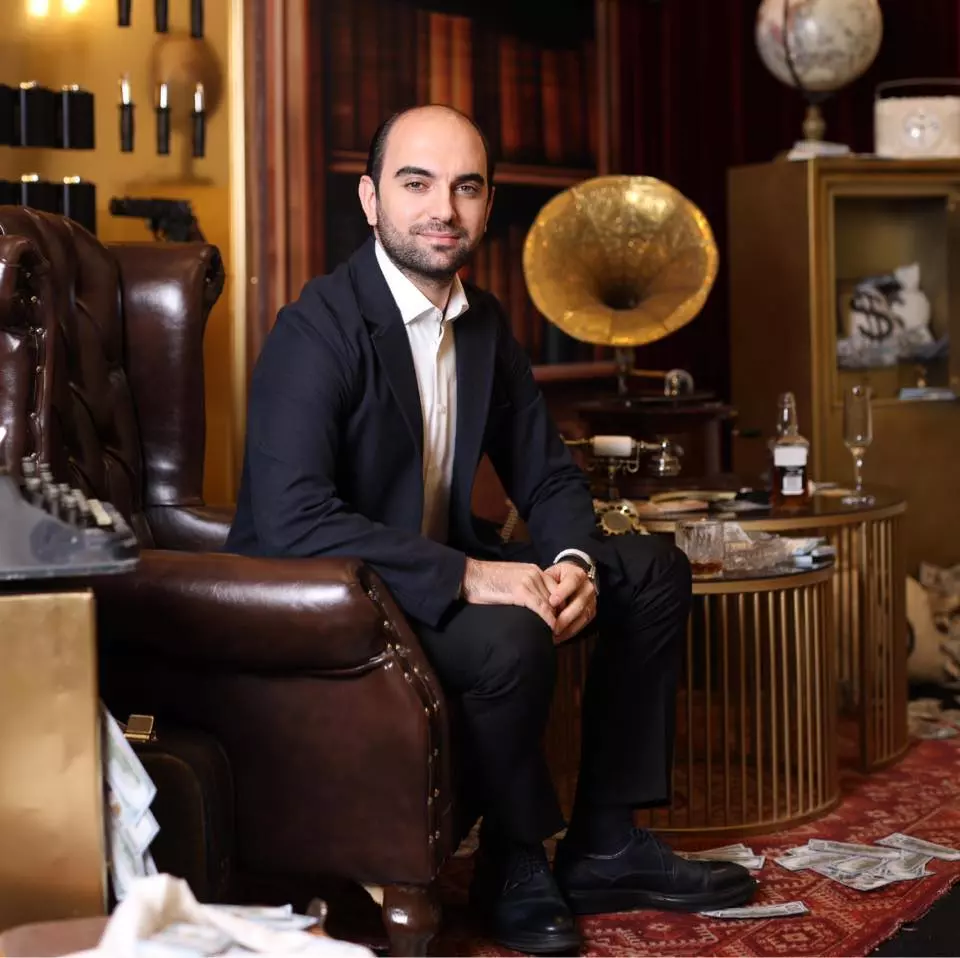
— Mr. Makaryan, what are the main challenges you face in managing a restaurant chain in Armenia?
— One of the main challenges is when you have big ambitions and a clear vision, but no large budget. From the very beginning, I knew what I wanted to achieve and was ready to follow this path on my own. I consciously rejected the idea of a partner—it was important to me that everything I create reflects my philosophy.
Artur Makaryan: I went through all the stages myself—from the first risks to managerial decisions. It was not an easy path, but every difficulty was perceived as the next step, not as an obstacle. I have always believed that if a goal is truly important, then it deserves effort. It is with this mindset that I move forward—step by step, bringing my vision to life.
— Mr. Makaryan, how does one move forward in the restaurant business, and what advice would you give to young people?
— Svetlana, we currently have a project that is facing certain difficulties, and, to be honest, this is exactly what gives me the strongest motivation. When everything goes easily—you relax. But when challenges arise true entrepreneurial thinking kicks in. The easiest option is to close. But development begins when you decide not to give up.
My main advice is to have a clear plan and a strong internal vision. Today it is easy to start a project—and just as easy to close it quickly. But to remain in the market, to endure, to grow—that is a completely different level. Here, honesty, determination, and a readiness to live your work are essential.
The restaurant industry is not just about food. It is people, emotions, logistics, stress, inspiration, and effort. But if you are truly in love with it, the results will inevitably come. The main thing is not to lose faith in yourself and not to be afraid to learn from mistakes. Artur Makaryan.